
Quick Answer
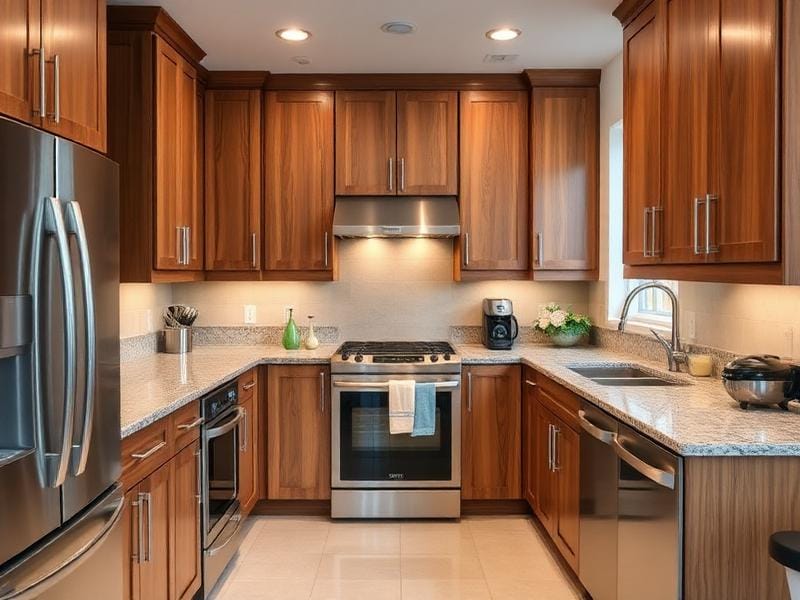
Bathroom vanities are the second-most-requested cabinetry project in our Charlotte showroom, right behind kitchens. They’re also the project where homeowners most often regret cutting corners — a vanity is used every single day, in a humid environment, and the difference between a $1,200 box-store vanity and a custom cabinet shows up within two or three years.
This guide covers what we’ve learned designing and installing hundreds of Charlotte vanities: real 2026 pricing, the construction details that actually matter in NC humidity, and the design moves that make a small bath feel calmer or a primary bath feel like a hotel
Quick Answer: 2026 Charlotte Vanity Pricing
– Powder room single vanity (24–36 inches): $1,800–$4,000 installed
– Standard single vanity (36–48 inches): $2,500–$6,500 installed
– Double vanity (60–72 inches): $5,000–$10,000 installed
– Large primary double vanity (72–84+ inches): $8,000–$12,000+ installed
Single vs Double Vanity: How to Choose
The decision is almost always driven by wall length, not preference. Below 60 inches, a single vanity with a long counter and a tall storage tower beside it consistently feels better than two cramped sinks. At 60–71 inches, a double works but is tight. At 72+ inches, a double is comfortable and is the right call for primary baths shared by two adults.
If you have 60 inches and you’re tempted to squeeze in a double — don’t. The countertop usable area shrinks dramatically, and the visual rhythm gets choppy. A single sink with 30 inches of counter to one side is a much more livable layout.
Vanity Heights in 2026 Charlotte Builds
Standard vanity height is 32 inches. Comfort height (also called counter height) is 36 inches and matches kitchen counter height. In our Charlotte projects, comfort height has been the default in adult primary baths for the past five years — it’s easier on the back, and the proportions look better with modern faucets.
Stick with 32 inches in kids’ baths and powder rooms used by guests with kids. Anything below 30 inches is reserved for vintage-restoration projects.
Floating, Furniture-Style, or Built-In
Floating vanities are mounted to the wall with no contact to the floor. They make small baths feel larger by exposing more floor, and they keep moisture-prone toe-kicks off tile that gets wet from a steam shower. They require blocking inside the wall, so they’re easiest to plan during a renovation rather than as a drop-in swap.
Furniture-style vanities sit on visible legs and read like a piece of furniture. They suit traditional and transitional homes, and they’re a strong choice for primary baths in older Myers Park, Eastover, or Dilworth homes where built-in vanities can feel too contemporary.
Built-in vanities run wall-to-wall and use the full footprint of the alcove. They maximize storage and feel custom — the right call for larger primary baths where the vanity is the visual anchor of the room.
Construction: What Holds Up in Charlotte Humidity
Charlotte averages 70%+ humidity for most of the year. Bathrooms add steam, splash, and temperature swings on top of that. Two construction details actually matter:
Cabinet box. Specify plywood, not particleboard or MDF. We see particleboard vanity boxes swell at the toe-kick and around plumbing penetrations within 5–8 years in Charlotte primary baths. Plywood doesn’t.
Finish. Conversion varnish (CV) or 2K polyurethane are the only finishes we recommend for Charlotte vanities. They’re chemically resistant, moisture-resistant, and won’t yellow under cosmetic products and cleaners. Avoid thermofoil — it can delaminate over a primary bath shower in humid conditions, and once it lifts, the door has to be replaced entirely.
Storage That Actually Solves Bathroom Complaints
We ask every vanity client the same question in design: “What’s frustrating you about your current bathroom storage?” The answers cluster into a small number of fixable problems.
Hairdryer storage. A drawer with an internal outlet and a heat-safe liner. This single feature turns up in our top-five most-loved upgrades on every post-install survey.
Tall bottle storage. A full-height drawer (or upper portion of a drawer bank) sized for shampoo, lotion, and skincare bottles instead of a flat vanity drawer that can’t fit them upright.
Plumbing cutout drawers. A drawer with a U-shaped notch around the drain trap. Far more usable than a sink-base door cabinet with a single shelf inside.
Outlet pop-ups in countertop or hidden in drawers. Keeps the backsplash clean and means no cords running across the counter from a wall outlet.
Door Style: What's Working in 2026 Charlotte Baths
Slim shaker is the most-requested vanity door style in our showroom in 2026, edging out classic shaker for the first time. Reeded fronts (vertical wood slats) are the rising trend, especially on furniture-style vanities in transitional homes. Flat-panel rift-sawn white oak vanities continue to be the dominant choice in modern primary suites.
Painted finishes are still the majority — soft white, sage, mushroom, and warm greige are leading. Deep navy and forest green are showing up on smaller powder vanities where homeowners are willing to take a stronger color swing.
Hardware and Stone Pairings
Hardware. Unlacquered brass continues to dominate in Charlotte primary baths, especially in older neighborhoods. Matte black and brushed nickel remain strong defaults. Polished chrome is on the decline.
Stone. Quartz is the most-installed countertop on our vanities — it’s nonporous, predictable, and easy to maintain. Quartzite is the upgrade for homeowners who want the look of natural stone with better durability than marble. True marble (Calacatta, Carrara) still shows up in primary suites where the patina is part of the appeal.
Common Charlotte Vanity Mistakes
After hundreds of installs, the same mistakes repeat:
1. Building a double vanity into a 60″ wall. It works, but it never feels right. Either expand the wall or drop to a single with storage.
2. Skipping the tall storage tower. A 12″-deep tall tower next to the vanity adds enormous functional storage and balances the elevation. Most baths have room for one and most homeowners forget to ask.
3. Mounting outlets in the backsplash. Specify in-drawer outlets or counter pop-ups. The clean elevation pays you back every day.
4. Choosing thermofoil for a primary bath. Looks fine in year 1, looks bad by year 7. Use painted CV or 2K polyurethane.
5. Cheaping out on the faucet. A $200 faucet on a $6,000 vanity is the part that fails first. Spend $400+ on a brand with replaceable cartridges.
How Long Does a Charlotte Vanity Project Take?
From signed proposal to final install: typically 6–10 weeks. Design and selection: 1–2 weeks. Production: 4–6 weeks. Cabinet install: 1–2 days. Stone template, fabrication, and install: another 1–2 weeks after the cabinet is in place. Plumbing and faucet hookup happens after the stone goes in.
If you’re coordinating with a tile or paint refresh, plan the tile last (so it can scribe to the new vanity) and the paint after the cabinet install (to touch up any wall scuffs from the install).
Ready to Plan Your Charlotte Bathroom Vanity?
We design and install custom and semi-custom vanities for homeowners across Charlotte, Ballantyne, SouthPark, Myers Park, Eastover, Lake Norman, Huntersville, Matthews, Fort Mill, and Rock Hill. Every project includes a free in-home or in-showroom design consultation, 3D renderings, and professional installation. Bring measurements (or rough dimensions) and we’ll walk you through layout, storage, materials, and a clear 2026 budget for your specific bathroom.
Frequently Asked Questions
How much does a custom bathroom vanity cost in Charlotte NC?
What is the standard bathroom vanity height?
How wide should a double vanity be?
Are floating vanities a good idea in Charlotte bathrooms?
What materials hold up best in a humid bathroom?
Should I choose drawers or doors under my sink?
How long does a bathroom vanity project take in Charlotte?
Do I need to replace plumbing for a new vanity?
Ready to start your cabinet project?
Visit Our Showrooms
We’d love to welcome you to one of our showroom locations. Visit us to explore our cabinetry collections, discuss your project, and experience the craftsmanship that defines FigTree Cabinets.